
Thank you for Subscribing to Utilities Business Review Weekly Brief

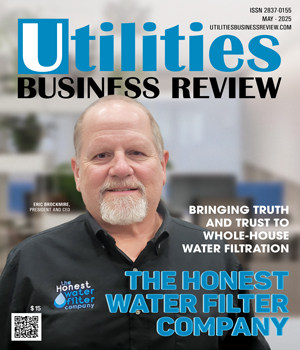
 Eric Brockmire, President and CEO
When it comes to water treatment systems, plumbers and consumers alike are faced with a flood of options and claims: "removes 99% of contaminants," "eco-friendly filtration," "improves taste and odor," “maintenance-free,” and so on. But how can anyone be sure these claims are accurate? That's where third-party certification plays a vital role. It's more than just a stamp of approval—it's a safeguard for consumers that the system they are purchasing has been independently tested for quality, safety, and trust.
What Is Third-Party Certification?
In an industry where marketing claims are largely unregulated, third-party certifications are essential. Third-party certification refers to the process in which an independent, accredited organization evaluates a product to determine whether it meets strict, specific standards for performance, safety, and reliability. In the water treatment industry, well-known certifiers include:
• NSF International
• IAPMO
• Water Quality Association (WQA)
These organizations are not affiliated with manufacturers, ensuring their assessments remain unbiased.
Why It Matters
1. Validated Performance Claims
Third-party certification verifies that a water treatment product performs as advertised. For example, if a filter claims to last for a certain number of gallons, NSF testing will confirm the specific reduction levels for a specified number of gallons under standardized conditions.
2. Consumer Protection
Certified products undergo rigorous testing for material safety, structural integrity, and contaminant reduction. This minimizes the risk of exposure to harmful substances and protects consumers from misleading marketing claims.
3. Peace of Mind
Knowing a water filter has passed rigorous third-party testing gives consumers confidence in the product's safety, longevity, and reliability. It eliminates the guesswork from a crucial health-related decision.
4. Transparency
“How long will it filter and at what level of filtration?” Manufacturers need to be transparent with their customers.
5. Market Differentiation
For manufacturers and dealers, third-party certification establishes credibility and differentiates their products in a crowded marketplace. It signals quality to consumers, regulators, and partners.
-
The water treatment industry has largely gone unchecked in terms of marketing claims. Honest Water Filter Company is out to change that with certifications that back up our claims
As an example of misleading marketing, one manufacturer’s website states, “Your water likely has contaminants.” Yet, buried within the site is this statement, “Not tested or certified by WQA for contaminant reduction, performance, or structural integrity.” An unsuspecting consumer sees pretty pictures and puffery prose, believing they are paying top dollar for a certified system.
Conclusion:
When it comes to water quality, there’s no room for compromise. Third-party certification ensures that a product has been tested against the highest standards, giving both consumers and installation professionals the assurance that the system will perform as promised. It’s not just about clean water—it’s about trustworthy solutions.
Before purchasing your next water treatment product, always look for third-party certification. It’s your best defense against uncertainty, and your strongest ally for health, safety, and peace of mind.
